|
|
|
Interior Masonry and Brick
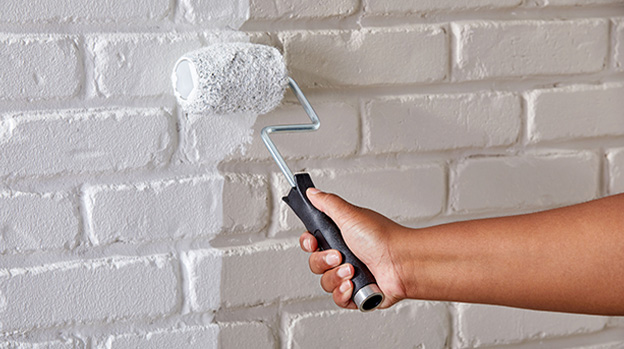
- Generally speaking, brick and other masonry surfaces do not pose serious problems for painting.
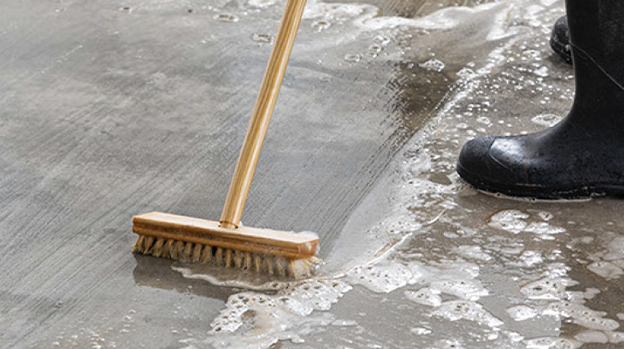
- Prepare your surface. Clean the brick, block or concrete surface of any dirt, loose cement or mortar.
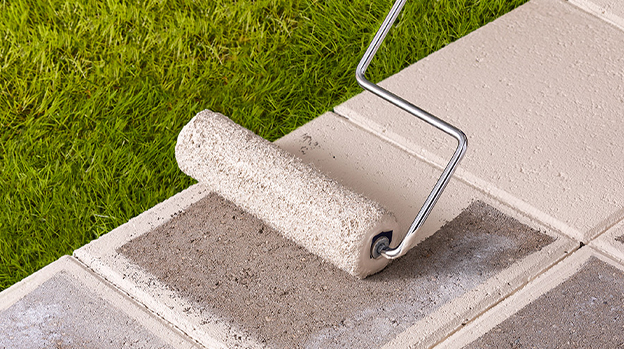
- Because brick and other forms of masonry tend to be porous building materials, they offer a good substrate for the paint to adhere to or “gain tooth.” However, because of their porosity, they tend to also absorb a lot of paint, which means you will need to increase the amount of paint you use. This could be anywhere from 20–50% more paint for smooth non-porous materials, depending on the texture of the masonry material.
- Brick and other masonry building materials should always be painted with a top-quality, 100% acrylic latex paint. Concrete block requires a special primer because it is extremely porous. A block filler is recommended to fill in holes and crevices on the surface block. Block fillers will reduce the amount of paint you use and ensure a smoother, more uniform looking finish.
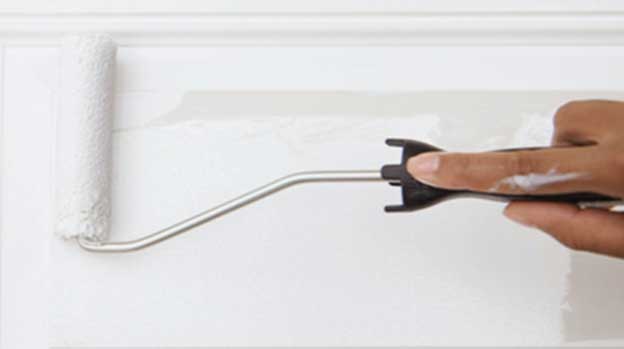
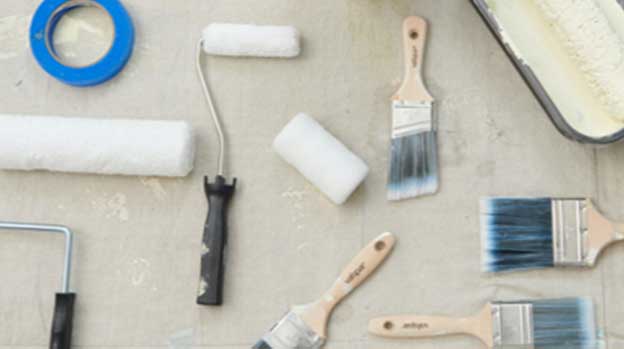
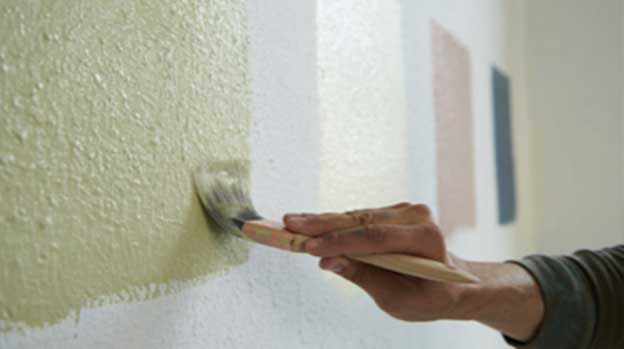
- If you will be using a brush, choose a premium-quality, nylon polyester brush; if you will be using a roller, choose a 1/2" to 1 1/4" nap roller, depending on the material’s degree of surface roughness and porosity.
 |
|
 |
|
|
|
|
See How-To Videos
Watch a project from start to finish.
Watch Videos
|
|
|
 |
|
 |
|
|
|